Why Every Business Needs CCTV Cameras
Running a business comes with many responsibilities, from protecting employees and customers to safeguarding valuable equipment, stock, and confidential information. While locks, alarms, and security guards can provide protection, CCTV cameras add another important layer of security by allowing businesses to monitor their premises and record activity.
Whether you operate a small retail shop, office, warehouse, restaurant, or large commercial facility, a well-planned CCTV system can help improve security and provide greater peace of mind. But why exactly does every business need CCTV cameras? Let’s explore the key benefits.
1. Protect Your Business From Theft
Theft can happen in any workplace, regardless of its size. Employees, customers, visitors, or outsiders may attempt to steal products, cash, equipment, or other valuable items.
CCTV cameras provide continuous monitoring of important areas such as entrances, cash counters, storage rooms, parking areas, and stockrooms. Visible cameras can also discourage potential thieves from targeting your business.
2. Deter Criminal Activity
One of the biggest advantages of installing CCTV cameras is their ability to act as a visual deterrent. When criminals notice security cameras around a business, they may think twice before attempting theft, vandalism, trespassing, or other unwanted activities. Strategically positioned cameras can make your property less attractive to opportunistic criminals.
3. Monitor Your Business Remotely
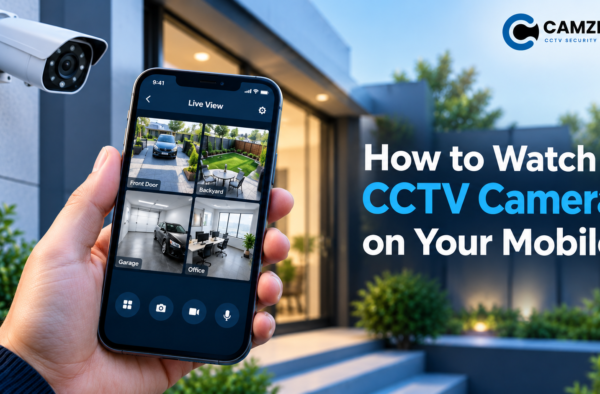
Modern CCTV systems are no longer limited to recording footage on-site. Many systems allow business owners and managers to monitor their premises remotely using a smartphone, tablet, or computer.
This means you can check your business even when you’re away. Whether you’re travelling, at home, or managing another location, remote monitoring can help you stay informed about what’s happening on your property.
4. Improve Employee Safety
A secure workplace is important for both employees and business owners. CCTV cameras can help monitor entrances, exits, corridors, parking areas, and other locations where employees may need additional protection.
If an incident occurs, recorded footage can help establish what happened and when it happened. However, cameras should always be installed and used responsibly, while respecting employee privacy and applicable laws.
5. Reduce Workplace Disputes
Business disputes can sometimes involve disagreements between employees, customers, suppliers, or visitors. Without reliable evidence, it can be difficult to determine what actually happened. CCTV footage can provide an objective record of events and help management investigate incidents more effectively.
For example, if a customer claims that an item was damaged by an employee, relevant footage may help clarify the situation.
6. Protect Valuable Stock and Equipment
Retail stores, warehouses, offices, factories, and other businesses often contain expensive inventory and equipment. CCTV cameras can be positioned around high-value areas to monitor activity and identify unusual behaviour. Combining cameras with controlled access, alarms, and good security procedures can create a stronger overall security strategy.
7. Monitor Customer Activity
CCTV isn’t only about preventing crime. Businesses can also use cameras to understand how customers move around their premises. For example, retailers may monitor customer traffic around different sections of a store. This information can help businesses identify busy areas, improve layouts, and make better operational decisions, subject to applicable privacy requirements.
8. Keep an Eye on Entrances and Exits
Entrances and exits are among the most important areas to monitor. A camera positioned correctly can record people entering and leaving the premises. This can be especially useful for businesses that operate late at night or have multiple access points.
For better coverage, businesses should consider camera positioning, lighting, image quality, and blind spots rather than simply installing cameras wherever convenient.
9. Help Investigate Security Incidents
Unfortunately, even a good security system cannot guarantee that an incident will never occur. If theft, vandalism, trespassing, or another security event happens, recorded CCTV footage can help businesses investigate what occurred. Depending on the system and recording quality, footage may provide useful details such as the time of an incident, people involved, or the direction someone travelled.
10. Improve Overall Business Management
CCTV cameras can also provide operational benefits. Managers may use footage to identify issues such as:
- Unauthorised access
- Unsafe workplace practices
- Customer service problems
- Poor stock-handling procedures
- Congestion in busy areas
- Unusual activity around the premises
When used appropriately, CCTV can therefore support both security and day-to-day management.
11. Protect Your Business Outside Working Hours
A business doesn’t stop being vulnerable when employees go home. After-hours security is especially important for shops, warehouses, offices, construction sites, and industrial facilities. CCTV cameras with suitable night-vision or low-light capabilities can help monitor the premises during periods when no staff are present. Pairing CCTV with motion detection, lighting, alarms, and secure doors can provide additional protection.
12. Build Customer Confidence
Customers want to feel safe when visiting a business. Visible security cameras can communicate that a company takes the safety of its customers, employees, and property seriously. This can be particularly valuable in retail stores, hotels, restaurants, offices, and other customer-facing environments. A safer environment can contribute to a more comfortable customer experience.
What Type of CCTV System Does Your Business Need?
There isn’t one CCTV setup that works for every business. Your ideal system depends on the size of your property, security requirements, budget, lighting conditions, and areas that need monitoring.
Common CCTV camera options include:
Dome Cameras
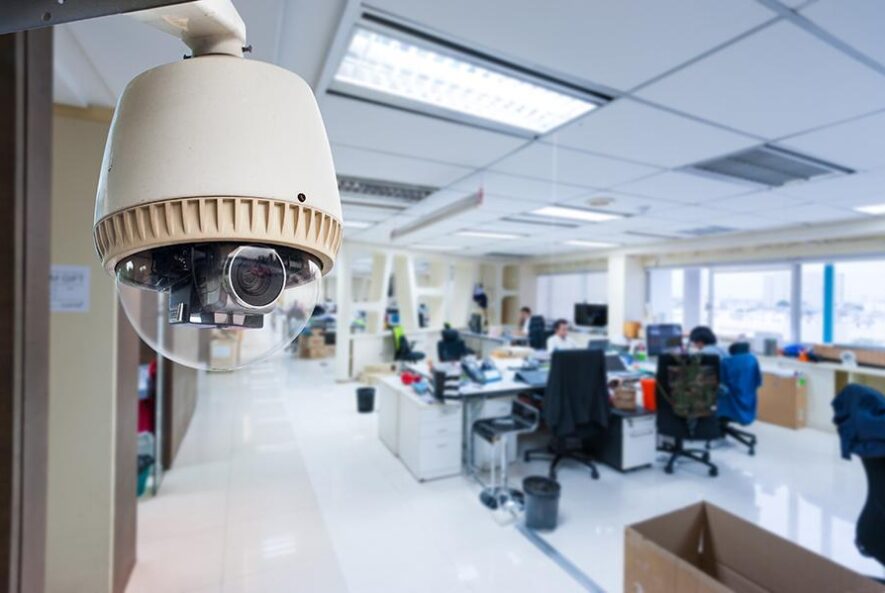
Dome cameras have a compact design and are commonly used indoors. Their discreet appearance makes them suitable for offices, shops, reception areas, and corridors.
Bullet Cameras
Bullet cameras are often used for outdoor monitoring. Their directional design can be useful for covering entrances, parking areas, boundaries, and other outdoor locations.
PTZ Cameras
PTZ (Pan-Tilt-Zoom) cameras can move horizontally and vertically and zoom in on specific areas. They can be useful for monitoring large spaces when wider coverage is required.
IP Cameras
IP cameras transmit video over a network and can offer high-resolution footage and advanced features such as remote viewing, motion detection, and analytics, depending on the model and system.
Where Should Businesses Install CCTV Cameras?
The right placement is just as important as choosing the right camera. Depending on your property, useful locations may include:
- Main entrances and exits
- Reception areas
- Cash registers
- Stockrooms
- Warehouses
- Parking areas
- Building perimeters
- Loading zones
- Hallways
- Server or equipment rooms
Avoid positioning cameras where objects, walls, signs, or poor lighting could create unnecessary blind spots. Businesses should also avoid inappropriate locations where people reasonably expect privacy and should follow applicable privacy and data-protection requirements.
CCTV Cameras + Professional Installation = Better Coverage
Buying quality cameras is only part of building an effective security system. Poor installation can result in blind spots, weak positioning, poor night visibility, exposed cables, or unreliable recording.
A professional CCTV installer can assess your property, identify vulnerable areas, recommend suitable cameras, position them correctly, configure recording equipment, and test the complete system.
This helps ensure your CCTV system is designed around your actual security requirements rather than simply installing cameras at random locations.
FAQs: Why Every Business Needs CCTV Cameras
1. Why does every business need CCTV cameras?
CCTV cameras help deter theft, monitor business premises, protect employees and assets, and provide recorded evidence when incidents occur.
2. Do CCTV cameras prevent business theft?
Visible CCTV cameras can discourage potential thieves and reduce opportunities for unauthorised activity.
3. Can I monitor my business CCTV remotely?
Yes. Many modern CCTV systems allow you to view live footage remotely through a smartphone, tablet, or computer.
4. Where should CCTV cameras be installed in a business?
Common locations include entrances, exits, cash counters, stockrooms, parking areas, warehouses, and other important access points.
5. Are CCTV cameras useful after business hours?
Yes. CCTV cameras with suitable night-vision or low-light capabilities can monitor your premises when employees are not present.
6. Can CCTV footage help resolve workplace disputes?
Yes. Recorded footage can provide an objective record of events and help management investigate disputes or security incidents.
7. What type of CCTV camera is best for a business?
The best camera depends on your premises and requirements. IP, dome, bullet, and PTZ cameras are common options for different business environments.
8. Should businesses hire a professional CCTV installer?
Professional installation can help ensure proper camera placement, coverage, recording, wiring, and system configuration for better overall performance.
Final Thoughts
Why does every business need CCTV cameras? Because modern businesses need more than locks and security signs to protect their people, property, and operations.
A properly planned CCTV system can help deter theft, monitor activity, protect employees, investigate incidents, safeguard valuable assets, and provide remote visibility. It can also support better day-to-day management when used responsibly.
Whether you run a small shop or a large commercial facility, investing in the right CCTV system can be an important step towards creating a safer and more secure business environment.
Don’t wait until a security incident happens. Assess your business premises today and choose a CCTV solution designed to protect what matters most.