Benefits of Installing CCTV Cameras
Security is a growing priority for homes, businesses, offices, schools, warehouses, and other properties. While traditional security measures such as locks, alarms, and security guards still have their place, CCTV cameras provide an additional layer of protection by allowing you to monitor activities and record important events.
Whether you want to protect your family, employees, customers, property, or valuable assets, installing CCTV cameras can make your security system more effective. Modern cameras offer features such as night vision, motion detection, remote viewing, high-resolution recording, and smart alerts, making surveillance easier and more convenient than ever.
In this guide, we explore the major benefits of installing CCTV cameras and explain why they have become an important part of modern security systems.
What Are CCTV Cameras?
CCTV stands for Closed-Circuit Television. CCTV cameras are surveillance devices designed to capture and transmit video to a limited set of monitors or recording equipment.
Depending on the system, cameras can record footage continuously or activate when motion is detected. Modern CCTV systems can also connect to the internet, allowing users to view live footage remotely through smartphones, tablets, or computers.
10 Major Benefits of Installing CCTV Cameras
1. Improved Security and Protection
One of the biggest benefits of installing CCTV cameras is improved security. Visible cameras can help monitor entrances, exits, parking areas, hallways, gardens, and other important locations. Knowing that an area is under surveillance may also discourage unwanted activities and encourage people to act responsibly.
For homes and businesses, CCTV provides an extra layer of protection alongside doors, locks, alarms, and other security measures.
2. Crime Deterrence
CCTV cameras can act as a powerful visual deterrent. When potential intruders notice cameras around a property, they may think twice before attempting theft, vandalism, trespassing, or other unwanted activities. For businesses, strategically positioned cameras can help discourage shoplifting and property damage. At home, outdoor cameras can make entrances and vulnerable areas less attractive targets.
Although CCTV cannot guarantee that a crime will never occur, visible surveillance can reduce opportunities for unwanted behaviour.
3. 24/7 Monitoring
Another important advantage of CCTV is continuous monitoring. Cameras can keep watch over your property during the day, at night, and when nobody is present.
With suitable recording equipment and storage, you can review footage from specific times whenever necessary. This can be especially useful for businesses that operate outside normal working hours or properties that remain vacant for extended periods.
4. Remote Viewing
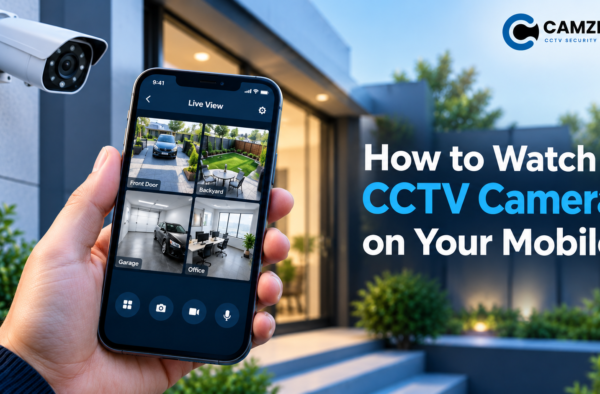
Modern CCTV systems can offer remote access through compatible smartphones, tablets, or computers. This means you can check your property even when you are away. For example, a business owner travelling for work can check the office, while a homeowner can monitor their entrance or driveway while away from home.
Remote viewing provides convenience and helps you stay aware of what is happening without being physically present.
5. Evidence When Incidents Occur
Recorded footage can provide valuable information when an incident takes place. CCTV may capture details such as the time of an event, the people involved, vehicles present, or the sequence of events.
This footage can help property owners understand what happened and may be useful when reporting an incident to the appropriate authorities or making an insurance claim. For this reason, reliable recording and proper storage are important parts of an effective CCTV setup.
6. Protects Employees and Customers
CCTV cameras are not only useful for protecting physical property. They can also contribute to a safer environment for employees, customers, visitors, and other people on the premises. Cameras placed in appropriate areas can help businesses monitor entrances, reception areas, car parks, and other shared spaces.
A well-planned surveillance system can also help identify potential safety concerns before they become more serious problems.
7. Helps Monitor Staff and Business Operations
For businesses, CCTV can help owners and managers understand how different areas of the workplace are being used. For example, cameras may help monitor customer areas, entrances, stockrooms, loading zones, and other operational spaces.
This can help identify unusual activity, improve security procedures, and support better workplace management. However, businesses should always follow applicable privacy and employment laws when using surveillance systems.
8. Reduces the Risk of Theft and Vandalism
Theft and vandalism can result in significant financial losses. CCTV cameras provide an additional security measure for monitoring valuable equipment, inventory, vehicles, and other assets.
Placing cameras around vulnerable points can help you identify suspicious activity and review footage if something goes missing or is damaged. For warehouses, retail stores, offices, and construction sites, CCTV can therefore play an important role in protecting valuable assets.
9. Better Night-Time Security
Many modern CCTV cameras include infrared (IR) night vision or other low-light technologies. These features allow cameras to capture footage in dark or poorly lit environments. Night-time surveillance can be particularly useful for:
- Driveways and entrances
- Parking areas
- Warehouses
- Construction sites
- Backyards
- Building perimeters
- Storage areas
Choosing a camera with suitable night-vision capabilities is important if your property requires reliable monitoring after dark.
10. Greater Peace of Mind
Perhaps one of the most valuable benefits of installing CCTV cameras is peace of mind. Knowing that your property is being monitored can make you feel more confident about the security of your home or workplace. Remote access can provide additional reassurance because you can check your cameras when you are away.
CCTV is not a replacement for every security measure, but it can form an important part of a complete security strategy.
Benefits of CCTV Cameras for Businesses
Businesses often have multiple areas that need protection, from entrances and customer spaces to offices, warehouses, and parking areas. A well-designed CCTV system can help businesses:
- Monitor valuable equipment and inventory
- Discourage theft and vandalism
- Improve awareness of activity around the premises
- Review incidents after they occur
- Monitor entrances and exits
- Support workplace safety
- Provide remote access to authorised users
- Improve overall security management
For larger properties, combining CCTV with access control, alarms, lighting, and other security measures can create a more comprehensive system.
Benefits of CCTV Cameras for Homes
Homeowners can also benefit from CCTV surveillance. Cameras can help monitor areas such as front doors, gates, driveways, gardens, garages, and other vulnerable locations. A home CCTV system can help you:
- Monitor visitors
- Keep an eye on entrances
- Discourage unwanted activity
- Check your property while travelling
- Review recorded events
- Monitor outdoor areas at night
- Receive alerts on compatible systems
The best setup depends on the property’s layout, lighting conditions, security risks, and individual monitoring requirements.
Where Should CCTV Cameras Be Installed?
Choosing the right locations is just as important as choosing the right cameras. Common installation points include:
- Main entrances and exits
- Driveways and gates
- Parking areas
- Reception areas
- Hallways
- Warehouses
- Stockrooms
- Building perimeters
- Cash-handling areas
- Other vulnerable access points
Avoid placing cameras where their view can be easily blocked. Cameras should also be positioned carefully to respect privacy and comply with relevant laws and regulations.
How to Get the Most From Your CCTV System
Simply installing cameras does not guarantee effective surveillance. To maximise the benefits of CCTV cameras, consider the following:
- Choose the Right Camera
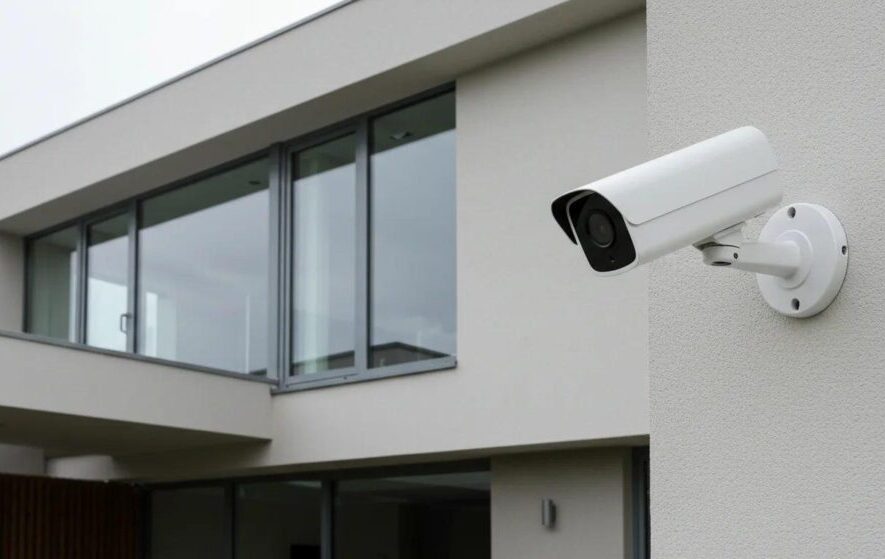
Different environments require different camera types. Bullet cameras can be suitable for outdoor monitoring, while dome cameras are often preferred for discreet indoor or commercial installations. PTZ cameras can provide flexible viewing in larger areas.
- Use Suitable Resolution
Higher-resolution cameras can capture more detailed footage. Consider the viewing distance, area size, lighting, and level of detail required before choosing a camera.
- Consider Night Vision
If you need surveillance after dark, choose cameras with suitable night-vision or low-light capabilities.
- Secure Your CCTV System
Protect cameras, recorders, and accounts with strong passwords and updated firmware. If your system offers remote access, use secure settings and limit access to authorised users.
- Maintain Your Cameras
Dust, dirt, weather, and damaged cables can affect image quality. Regularly clean camera lenses, inspect connections, check storage, and confirm that cameras are recording correctly.
FAQs
1. Are CCTV cameras worth installing?
Yes. CCTV cameras can provide monitoring, deter unwanted activity, record incidents, and offer remote viewing when supported by the system.
2. Do CCTV cameras work at night?
Many modern CCTV cameras can capture footage at night using infrared night vision or low-light technology.
3. Can I view CCTV cameras remotely?
Yes, many modern systems allow authorised users to view live or recorded footage remotely using compatible devices and applications.
4. Do CCTV cameras prevent crime?
CCTV can discourage some unwanted activities, but it should be considered one part of a broader security strategy rather than a guarantee against crime.
5. How often should CCTV cameras be maintained?
Check cameras regularly and clean lenses, inspect connections, verify recording, and review system performance to keep surveillance reliable.
Final Thoughts
The benefits of installing CCTV cameras go beyond simply recording video. A properly planned CCTV system can improve security, discourage unwanted activity, support incident investigation, enable remote monitoring, and provide greater peace of mind.
Whether you are securing a home, office, shop, warehouse, or other property, the right CCTV cameras can become an important part of your overall security strategy. For the best results, choose cameras based on your property’s specific requirements and combine CCTV with other appropriate security measures.