What Is an IP Camera? A Complete Beginner’s Guide
Security technology has evolved significantly over the past decade, and IP cameras have become one of the most popular choices for protecting homes, businesses, offices, and public spaces. Unlike traditional analogue CCTV cameras, IP provide high-definition video, remote access, smart features, and greater flexibility, making them the preferred solution for modern surveillance.
If you’re considering upgrading your security system or purchasing a new camera, understanding what is an IP camera is and how it works can help you make the right decision.
What Is an IP Camera?
An IP camera (Internet Protocol Camera) is a digital security camera that captures, processes, and transmits video data over a computer network or the internet. Instead of sending analogue video signals through coaxial cables, an IP camera converts footage into digital data that can be viewed, stored, and managed remotely.
Each camera has its own unique IP address, allowing it to communicate with devices such as Network Video Recorders (NVRs), computers, smartphones, or cloud storage platforms. This digital communication enables users to monitor live footage from virtually anywhere with an internet connection.
How Does an IP Camera Work?
IP cameras combine a camera sensor, processor, and networking capability into a single device. Here’s a simple breakdown of the process:
- The camera captures video footage.
- The footage is converted into digital data.
- The data is compressed using video codecs such as H.264 or H.265.
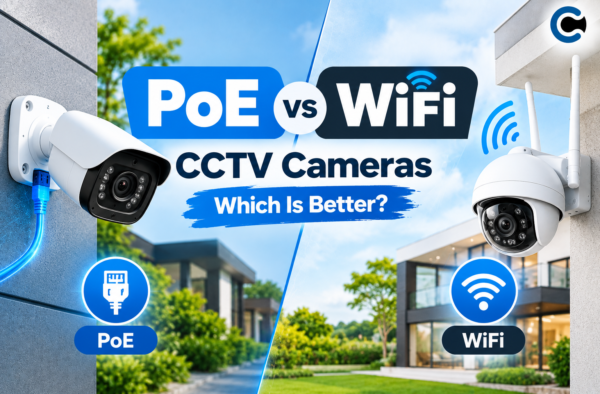
- The video is transmitted through a wired Ethernet connection or Wi-Fi network.
- Users can watch live footage or recorded videos using mobile apps, desktop software, or web browsers.
Many modern IP cameras also support cloud storage, eliminating the need for local storage devices in certain setups.
Key Features of IP Cameras
High-Definition Video Quality
One of the biggest advantages you’ll discover when learning what is an IP camera is is its superior image quality. Most models offer:
- Full HD (1080p)
- 2K resolution
- 4MP
- 5MP
- 8MP (4K Ultra HD)
Higher resolutions provide sharper images, making it easier to identify faces, vehicles, and important details.
Remote Monitoring
IP cameras allow users to access live video from anywhere using smartphones, tablets, or computers. Whether you’re at work or travelling, you can monitor your property in real time.
Motion Detection
Most IP cameras include intelligent motion detection that records only when movement is detected, saving storage space and making it easier to review important events.
Night Vision
Infrared (IR) LEDs or advanced low-light sensors enable IP cameras to capture clear images even in complete darkness, making night vision one of the key features of what is an IP camera.
Two-Way Audio
Many indoor IP cameras feature built-in microphones and speakers, allowing users to communicate with family members, visitors, or employees remotely.
Smart AI Features
If you’re wondering what is an IP camera, it’s worth knowing that advanced models now include artificial intelligence (AI) capabilities such as:
- Human detection
- Vehicle detection
- Facial recognition
- Line crossing alerts
- Intrusion detection
- Object tracking
These smart features reduce false alarms caused by pets, rain, or moving trees.
Types of IP Cameras
1. Dome IP Cameras
Dome cameras are commonly installed on ceilings and are ideal for offices, retail stores, hotels, and schools. Their compact design makes them less noticeable while offering wide viewing angles.
2. Bullet IP Cameras
Bullet cameras are easily recognisable by their long cylindrical shape. They are perfect for outdoor monitoring because they provide long-range visibility and weather resistance, making them an excellent example when understanding what is an IP camera.
3. PTZ IP Cameras
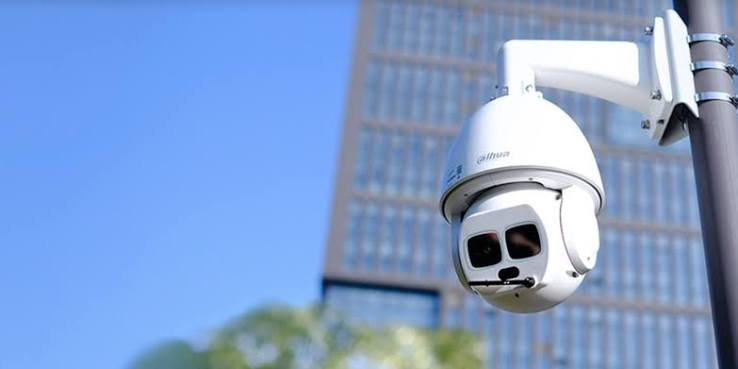
PTZ stands for Pan, Tilt, and Zoom. These cameras can rotate horizontally, move vertically, and zoom in on distant objects, making them ideal for large commercial properties and parking areas.
4. Turret IP Cameras
Turret cameras combine the benefits of dome and bullet cameras while reducing infrared glare. They are popular for both residential and commercial installations.
5. Wireless IP Cameras
Wireless models connect through Wi-Fi, reducing cable requirements and simplifying installation.
Benefits of Using an IP Camera
Excellent Image Quality – Digital video delivers clearer footage compared to traditional analogue CCTV systems.
Easy Remote Access – Users can monitor their property anytime through mobile applications or web browsers.
Flexible Installation – IP cameras can be installed individually or expanded into large surveillance systems without major infrastructure changes.
Smart Security – AI-powered analytics improve detection accuracy and reduce unnecessary notifications.
Better Storage Options – Users can choose from:
- Network Video Recorders (NVR)
- Cloud storage
- NAS devices
- Memory cards (on supported cameras)
IP Cameras vs Analogue CCTV Cameras
| Feature | IP Camera | Analogue Camera |
|---|---|---|
| Video Quality | HD to 4K | Lower resolution |
| Connectivity | Network (Ethernet/Wi-Fi) | Coaxial cable |
| Remote Viewing | Yes | Limited |
| Smart AI Features | Yes | Minimal |
| Installation | Flexible | More cable-dependent |
| Scalability | Easy to expand | Less flexible |
While analogue cameras are often less expensive initially, IP cameras offer significantly better performance and long-term value.
Where Are IP Cameras Used?
If you’re wondering what is an IP camera, you’ll be pleased to know that these cameras are suitable for almost every environment, including:
- Homes
- Offices
- Retail stores
- Warehouses
- Schools
- Hospitals
- Restaurants
- Parking lots
- Hotels
- Manufacturing facilities
- Construction sites
Their flexibility makes them one of the most versatile surveillance solutions available.
How to Choose the Right IP Camera
After understanding what is an IP camera, before purchasing an IP camera, consider the following factors:
- Indoor or outdoor installation
- Required video resolution
- Wired or wireless connectivity
- Night vision distance
- Storage options
- Weatherproof rating (IP66/IP67)
- Motion detection capabilities
- AI features
- Audio recording
- Mobile app compatibility
Understanding what is an IP camera and selecting the right features ensures your surveillance system meets your security needs and budget.
Are IP Cameras Secure?
Understanding what is an IP camera also means knowing that modern IP cameras include multiple security features to protect your data, such as:
- Password protection
- Encrypted video transmission
- User access controls
- Secure cloud storage
- Firmware updates
To maximise security, always use strong passwords, enable two-factor authentication (if available), and keep your camera’s firmware up to date.
FAQs
1. Is an IP camera better than a CCTV camera?
An IP camera is a type of CCTV camera that uses digital networking technology. It generally offers higher image quality, remote access, and advanced features compared to traditional analogue CCTV cameras.
2. Do IP cameras need the internet?
No. IP cameras can operate on a local network without internet access. However, an internet connection is required if you want to view footage remotely.
3. Can IP cameras record without an NVR?
Yes. Many IP cameras support recording to SD cards or cloud storage, although an NVR provides centralised recording and management for multiple cameras.
4. How long do IP cameras last?
A quality IP camera typically lasts between 5 and 10 years, depending on build quality, installation conditions, maintenance, and environmental factors.
5. Are wireless IP cameras reliable?
Yes. Wireless IP cameras are reliable when connected to a strong and stable Wi-Fi network. For critical security applications, wired Ethernet connections generally provide the most consistent performance.
Final Thoughts
IP cameras have transformed the way people protect their homes and businesses. With crystal-clear video quality, remote monitoring, intelligent detection, and scalable installation, they provide a reliable and future-ready surveillance solution for both residential and commercial properties, demonstrating exactly what is an IP camera and why it has become the preferred choice for modern security.
Once you know “What Is an IP Camera?”, whether you’re securing a small home, managing a retail store, or protecting a large business, an IP camera system offers greater flexibility, enhanced security, and peace of mind compared to common cctv installation mistakes to avoid.
Investing in the right What is an IP camera today means benefiting from smarter surveillance, easier management, and improved protection for years to come.